
Think of Fatherhood as a Neighbourhood: Finding Strength in Community

Updated: Mar 2

When we think about fatherhood, we often picture our own journey and where we land as a father in comparison to our “old man”. We reflect on what we are doing, and not doing, as a parent to our kids.
When I talk to dads about fatherhood, I also explore the idea of fatherhood as a neighbourhood. Who are the other dads in your life? Perhaps other fathers in your family, your friend group or at work. Maybe it’s the other dads on your street. Some men can’t identify other fathers in their world and even more are missing those dads they would label as role models or mentors.
Fatherhood Is Not Meant to Be Lived Alone
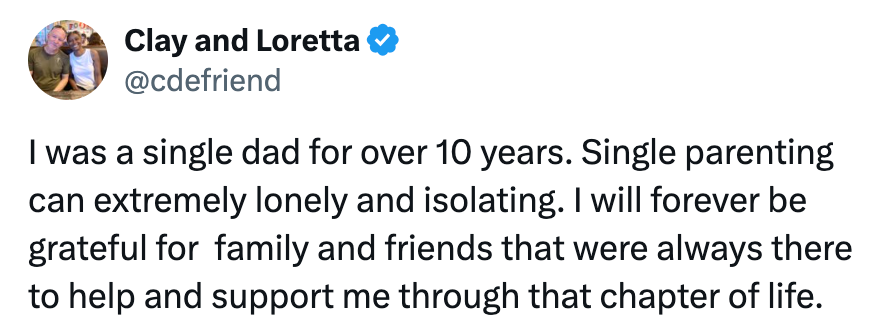
It is important to have other dads in your life, men who can relate to your experiences, get you out of the house and show up if needed.
It is particularly difficult to connect with other expectant or new fathers.
These early stages of parenting can be quite isolating and mom is often the one making connections with other new parents. Dads attend early year centres, music and swimming classes, but often feel like the minority in the group. It’s great you are there, ideally there would be more of you. We learn to be competent and confident parents by doing, making mistakes and finding wins, and by exchanging what we’ve learned with other parents. In those first few years moms usually have more opportunities than dads to check off all these boxes. Some dads are waiting for their kid to be old enough to ride a bike or play sports before they take a lead role or connect with other parents.
I encourage dads to take a co-lead role from the beginning and to connect with other dads and build that fatherhood for them, and for others.
What Makes a Neighbourhood Work
Healthy neighbourhoods don’t require big commitments. They rely on simpler things:
Familiarity — seeing the same people again and again
Reliability — knowing who’s usually around
Low-stakes interaction — a nod, a wave, a brief chat
Shared rhythms — school drop-off, walks, weekends, routines
These conditions reduce pressure. They make connections possible without forcing vulnerability. For many men, this is exactly the kind of social space that’s missing in adulthood.
Why Fathers Matter in Neighbourhoods
When fathers are visible in neighbourhood life, walking kids to school, showing up at parks, talking with other adults, something subtle but important happens.
Children learn:
men belong in caregiving spaces
men know other men
men participate in community, not just work
Other fathers learn:
I’m not the only one figuring this out
I don’t have to do this perfectly
I’m allowed to take up space here
Neighbourhoods normalize fatherhood as something shared, not solitary.
Building a Neighbourhood Doesn’t Mean Starting From Scratch
Most dads don’t need to find a community. They need to activate what’s already nearby. That might look like:
staying at the playground a few minutes longer
learning another parent’s name
walking the same route regularly
showing up to the same place at the same time
Neighbourhoods form through repetition, not intention statements. You don’t join by declaring yourself part of one. You join by being seen.
Community Is Built Through Usefulness
One of the most reliable ways fathers become part of a neighbourhood is by being lightly useful:
holding space while someone steps away
lending a tool
shovelling a shared path
checking in when something feels off
This kind of contribution doesn’t require charisma or confidence. It builds trust quietly. And it gives fathers a role outside their immediate family—something many men are missing.
Neighbourhoods Support Families, Not Just Fathers
When fathers have community:
stress is shared, not stored
parenting feels less isolating
children see adults supporting one another
partners benefit from broader networks of care
Strong families don’t exist in isolation. They exist inside communities.
A Question to Reflect On
Where do I regularly show up, and who recognizes me there?
Fatherhood isn’t only something that happens at home.
Thinking of fatherhood as a neighbourhood reminds us of something simple and important:
You don’t have to do this alone. You were never meant to.


